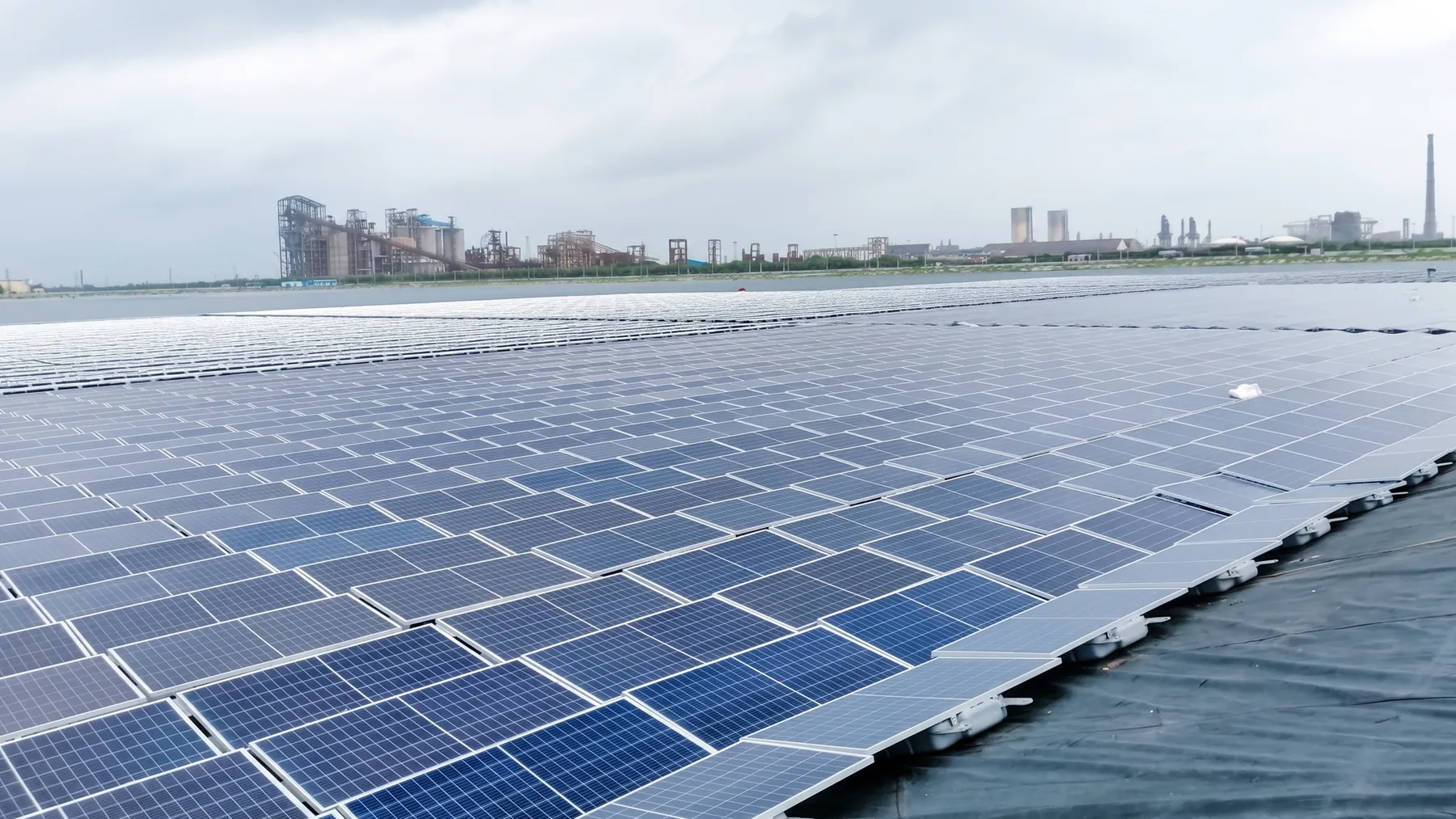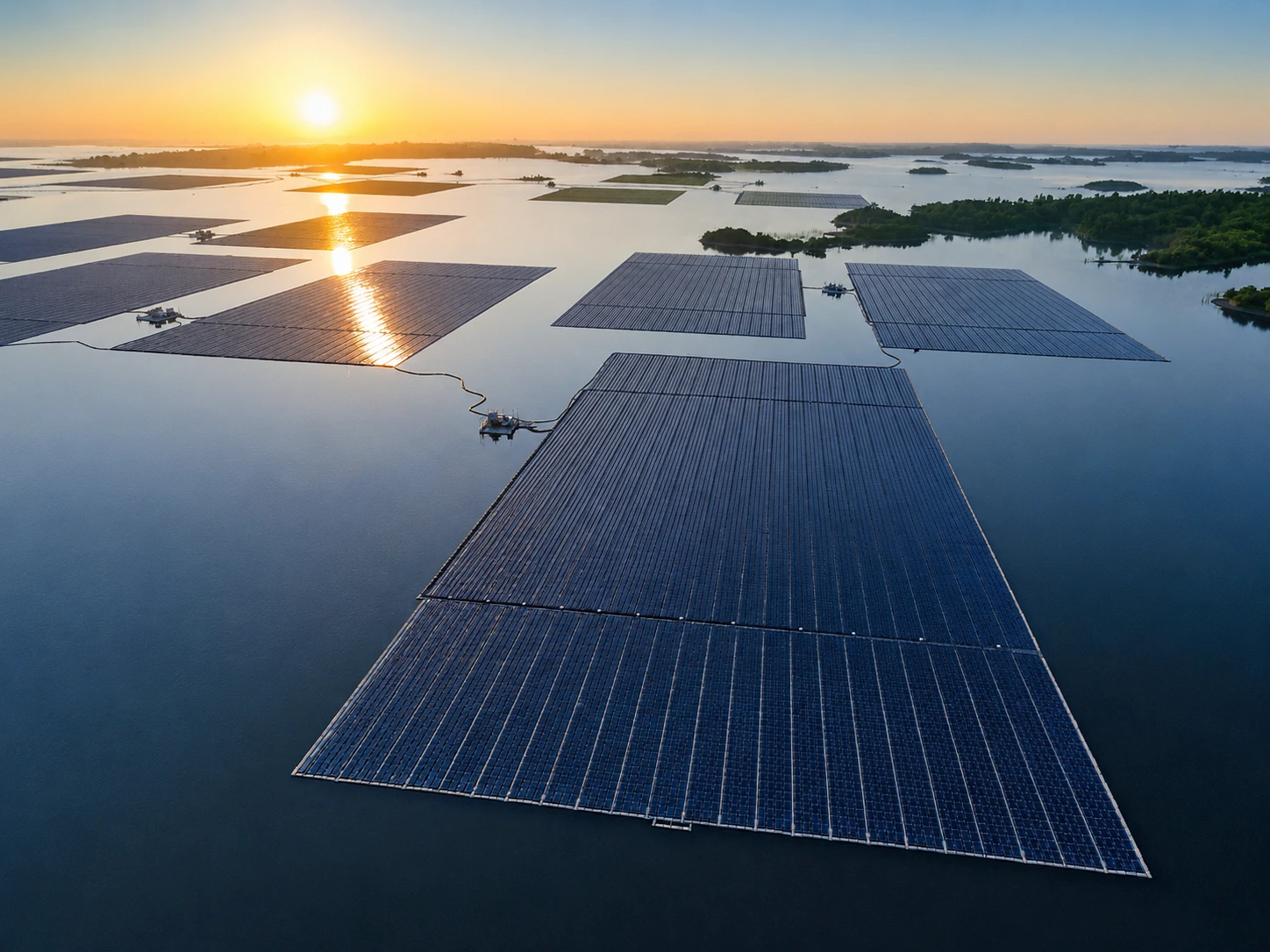
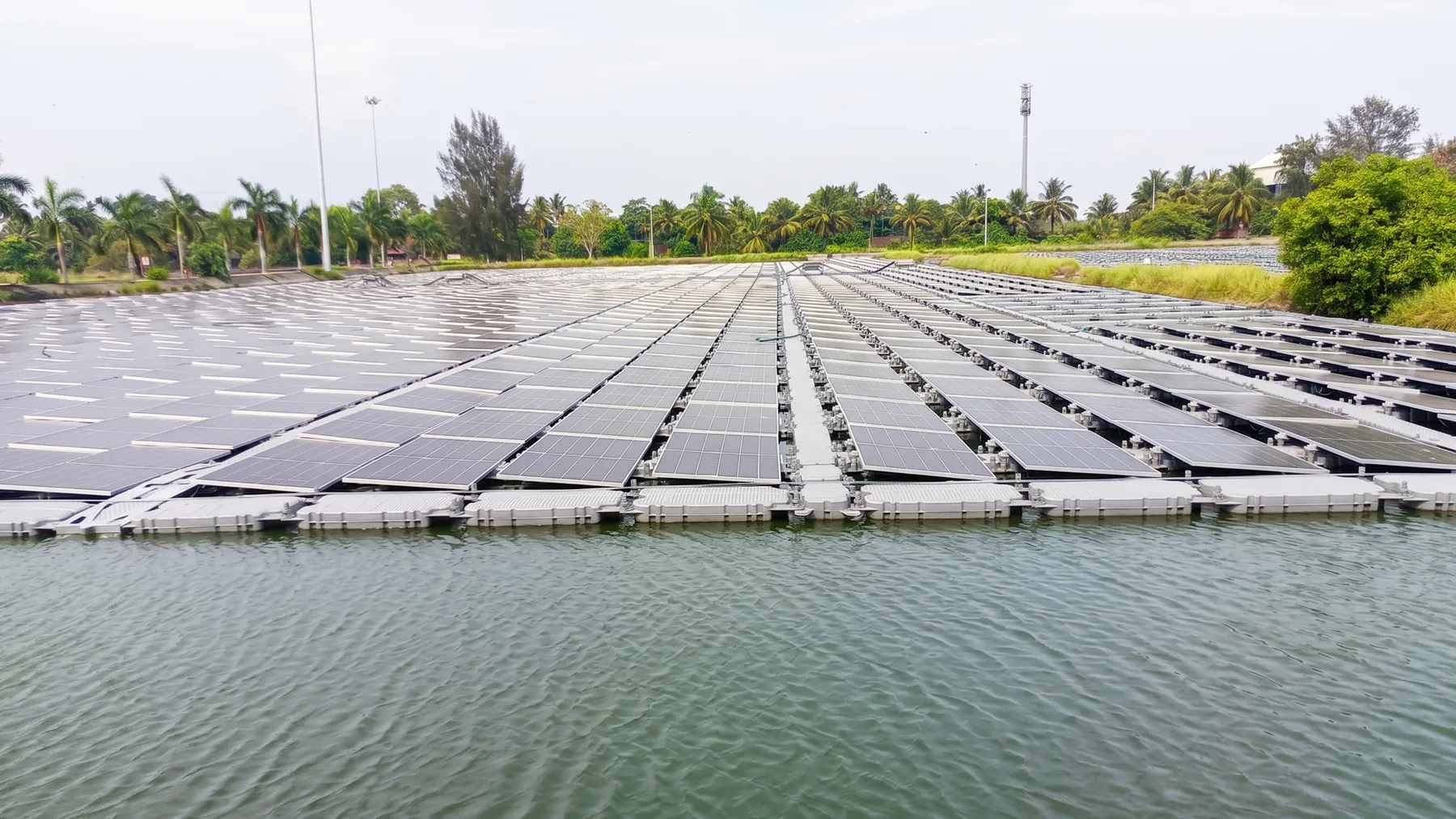
Renewable energy continues to develop as a topic of interest among investors, and floating solar power plants have become a special focus within larger clean energy portfolios. A number of recent investor events, governmental signals, and massive projects suggest a quantifiable movement of capital into floating solar and utility-scale solar photovoltaic systems. The following are the major drivers of this trend.
Expanding Project Pipelines Open Up Investment Opportunities
A significant factor attracting investors is the project pipeline of large floating solar projects. The worldwide potential of floating photovoltaic (FPV) systems has been growing rapidly, with total installed capacity expected to surpass 10 GW by 2030 — compared to around 3 GW today — driven by installations in China, India, South Korea and Europe.
Notable project examples:
- Omkareshwar Floating Solar Power Park (India)
- NTPC Floating Solar Haripad (India)
- Cirata Floating Solar Farm (Indonesia)
- KenGen Floating Solar Power Station (Kenya)
Policy and Government Investment Dialogues Shape Investor Confidence
The latest high-level discussions and policy indicators are helping de-risk investment in floating solar.
India's Renewable Investment Engagements
A senior MNRE official has been part of discussions with India's Finance Ministry on floating solar and related incentive schemes, underlining government commitment to financing the clean energy transition.
An Investment Dialogue hosted in Odisha under its clean energy vision, in a multi-stakeholder format, involved more than 65 representatives of financial institutions, government agencies and developers to discuss scaled opportunities in floating solar photovoltaics and pumped storage.
In Odisha, 20 projects representing a ₹4,353 crore (approximately US $520M+) investment — including a floating solar unit — were recently cleared by its State Level Single Window Clearance Authority, indicating state-level promotion of larger investments.
Global Policy Signals
Broader renewable investment platforms like the World Economic Forum (WEF) in Davos 2026 provide subnational and national leaders with a platform to pitch renewable investment opportunities to global capital providers.
Policy participation indicates that floating solar is progressively being added to national and state investment agendas, which removes perceived risk among institutional and international investors.
Large-Scale Utility Projects Increase Asset Class Credibility
Institutional investors are more likely to invest in infrastructure projects that demonstrate scale and stable revenue flow. Floating solar is moving into this category through utility-scale projects with strong backing.
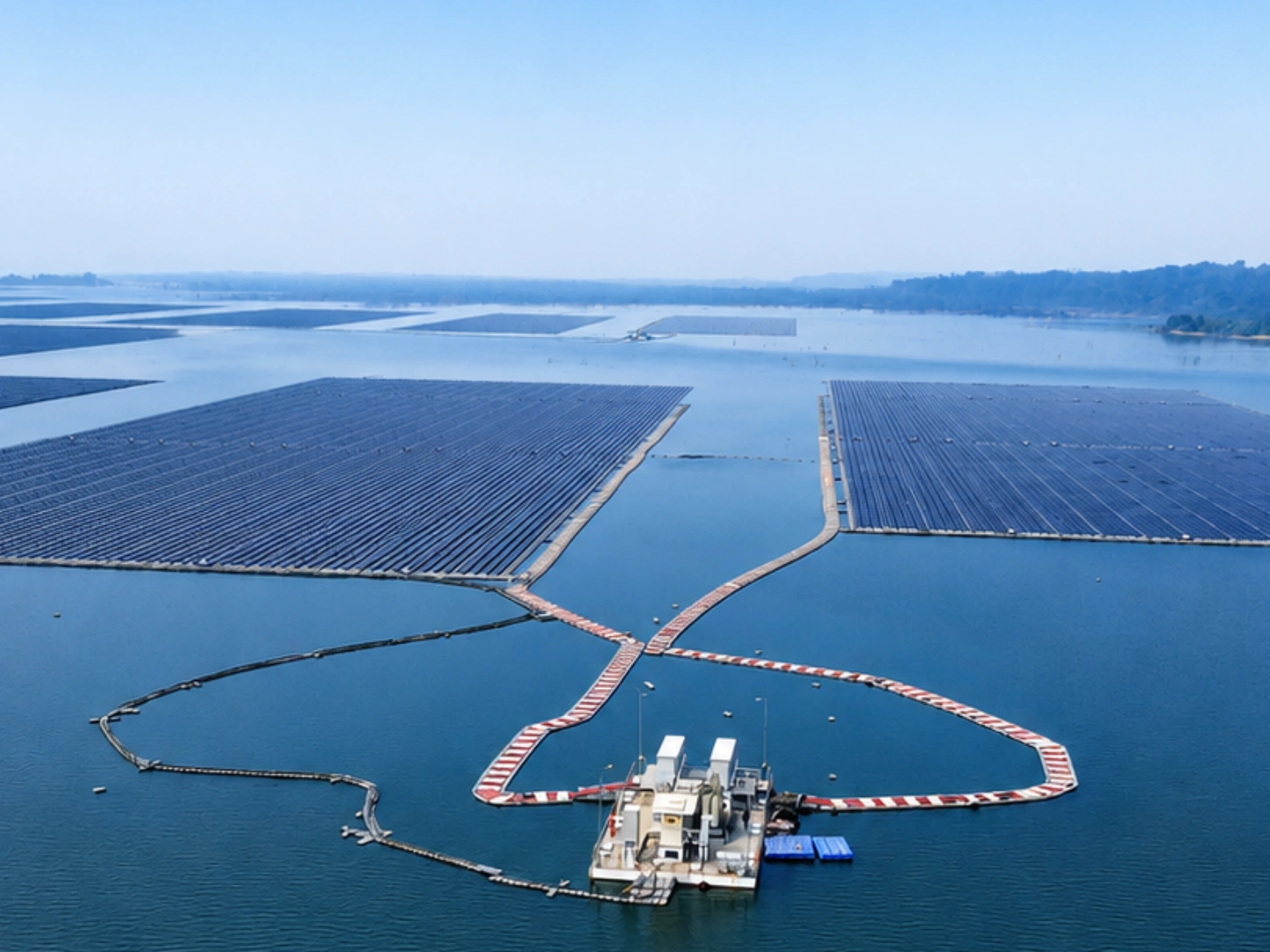
Southeast Asia's largest floating solar initiatives, such as Cirata, highlight cross-border partnerships between governments and renewable developers, with capital commitments upwards of $100 million.
Increasing market statistics on floating solar panels forecast market revenues to grow at a CAGR of over 23 percent between 2025 and 2033 — an indication of long-term industrial and investor confidence.
Climate Finance and Development Funding
As part of a broader climate investment strategy, financial institutions are focusing on floating solar plants. Although much of this financing today targets renewables in general, various climate finance portfolios are paying more attention to FPV alongside the usual ground-mounted and hybrid solar deployments.
Such flows make the cost of capital cheaper and give earlier assurance of returns, which institutional investors weigh heavily before committing capital to new infrastructure categories.
Market Growth and Scale Economics
According to market reports, floating solar panels and associated photovoltaic installations have high growth potential, with the highest adoption rate in Asia-Pacific.
These forecasts are being acted upon by investors because:
- New markets present sharp growth curves
- Mature markets are incorporating floating solar into national clean energy goals
- Diversification into floating solar supports ESG commitments
The Shift
Investors are increasingly treating FPV as a separate category to invest in, rather than a subdivision of solar — driven by large pipelines, policy backing, and over 23% projected CAGR through 2033.
Conclusion
The flow of investment into renewable energy remains dynamic, yet floating solar power plants are no longer seen as a niche project, but as an important infrastructure resource. This shift is supported by large utility-scale pipelines, proactive policy and investment discussions, multi-stakeholder government facilitation, and growth projections in emerging markets.
With floating solar growing and integrating more broadly with the expansion of solar photovoltaic systems and the development of renewable capital markets, investors are giving FPV more and more consideration as a standalone category — rather than a subdivision of solar.