Asia is at a crossroads. With over half the global population and among the fastest expanding economies in the world, the region is growing at an unprecedented rate in terms of its energy demand. However, the climate crisis is exceptionally pressing, and thus growth can no longer be at the cost of the environment. Countries are re-evaluating the solutions to achieve their development targets without increasing their carbon footprint — and the solution is regional cooperation.
And throughout the continent, alliances are being formed that cut across national lines. Solar trading corridors between India and Southeast Asia, integrated power grids between Singapore and Malaysia — a wholesome change is in progress. Even the water-based innovations, such as floating solar platforms developed on floating pontoons, demonstrate the way in which locally focused collaboration can transform common resources into common prospects. The clean and sustainable energy future in Asia is not just a solo game anymore; it is a regional trend that has a common good and common desire.
The Asian Energy Landscape: Variety and Reliance
The energy profile in Asia is a phenomenon of contrast. Whereas there are countries that are still very dependent on coal and oil, others are galloping towards integrating renewable energy. As the International Energy Agency indicates, the electricity demand of Asia is expected to increase by more than 60 per cent by 2040 — a number that underscores the seriousness and magnitude of the task.
China and India are investing in large quantities of solar and wind capacity, while major economies like Vietnam, the Philippines and Malaysia are concentrating on energy diversification. This diversity provides both an opportunity and a need to cooperate.
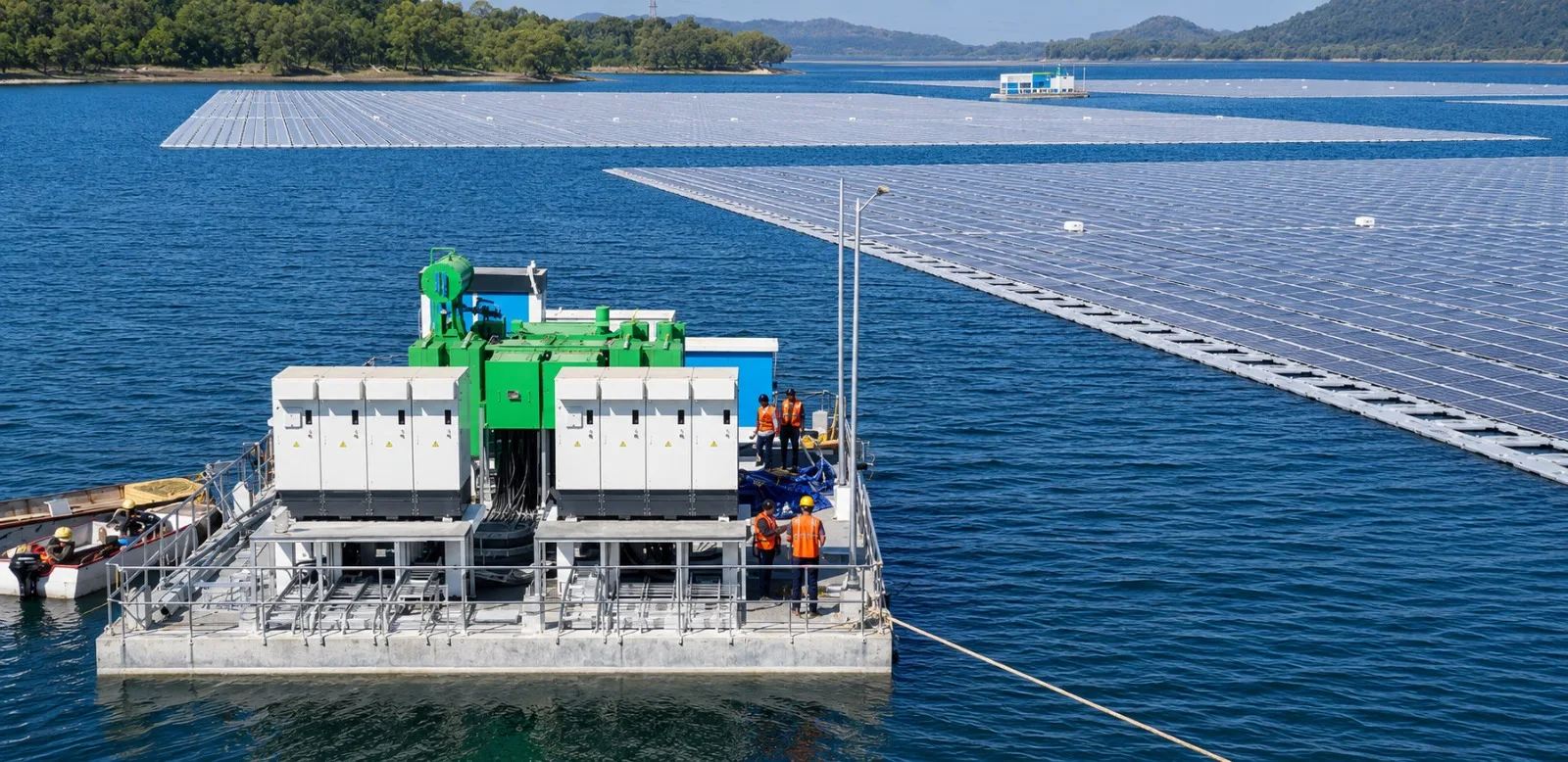
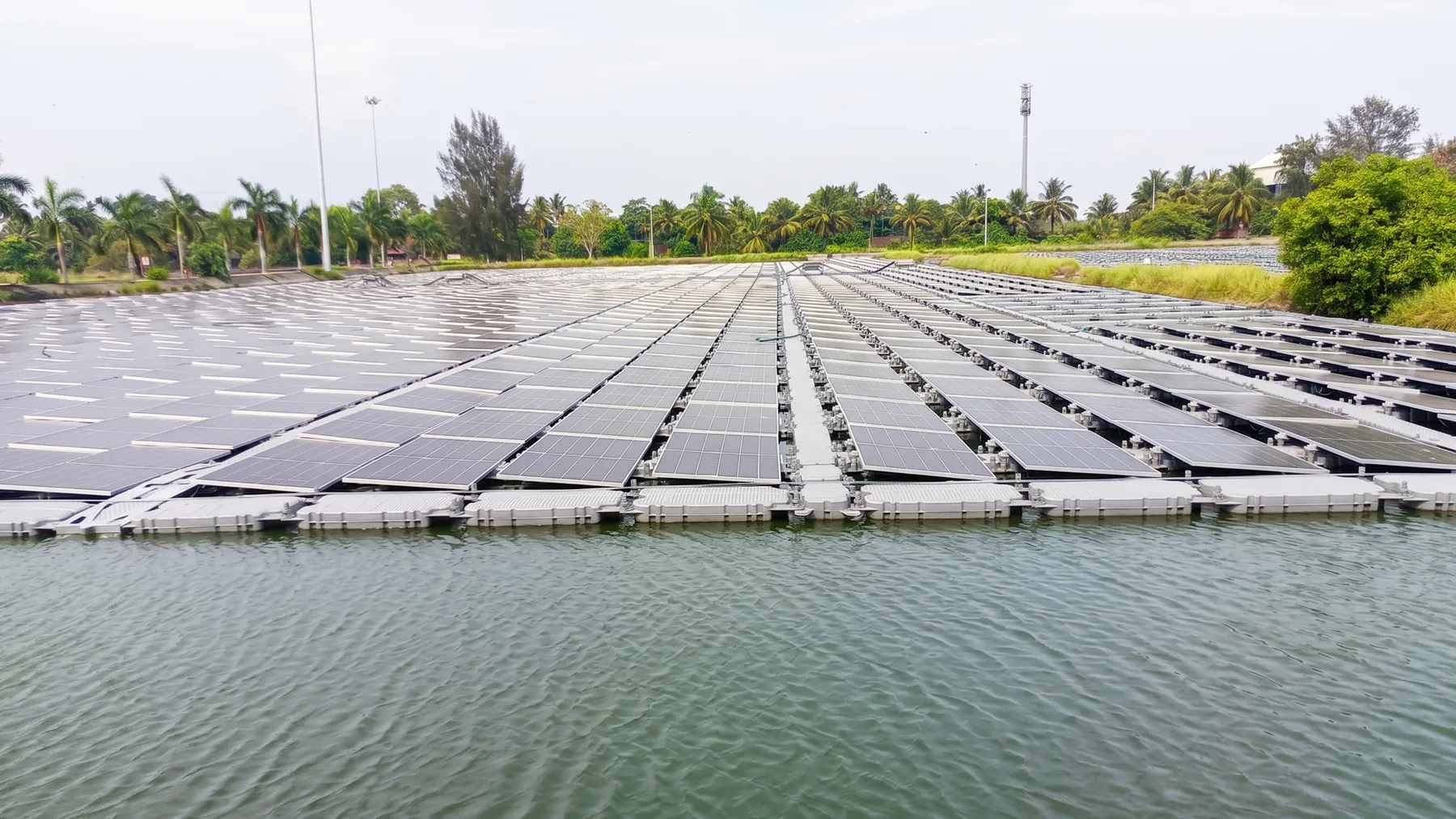
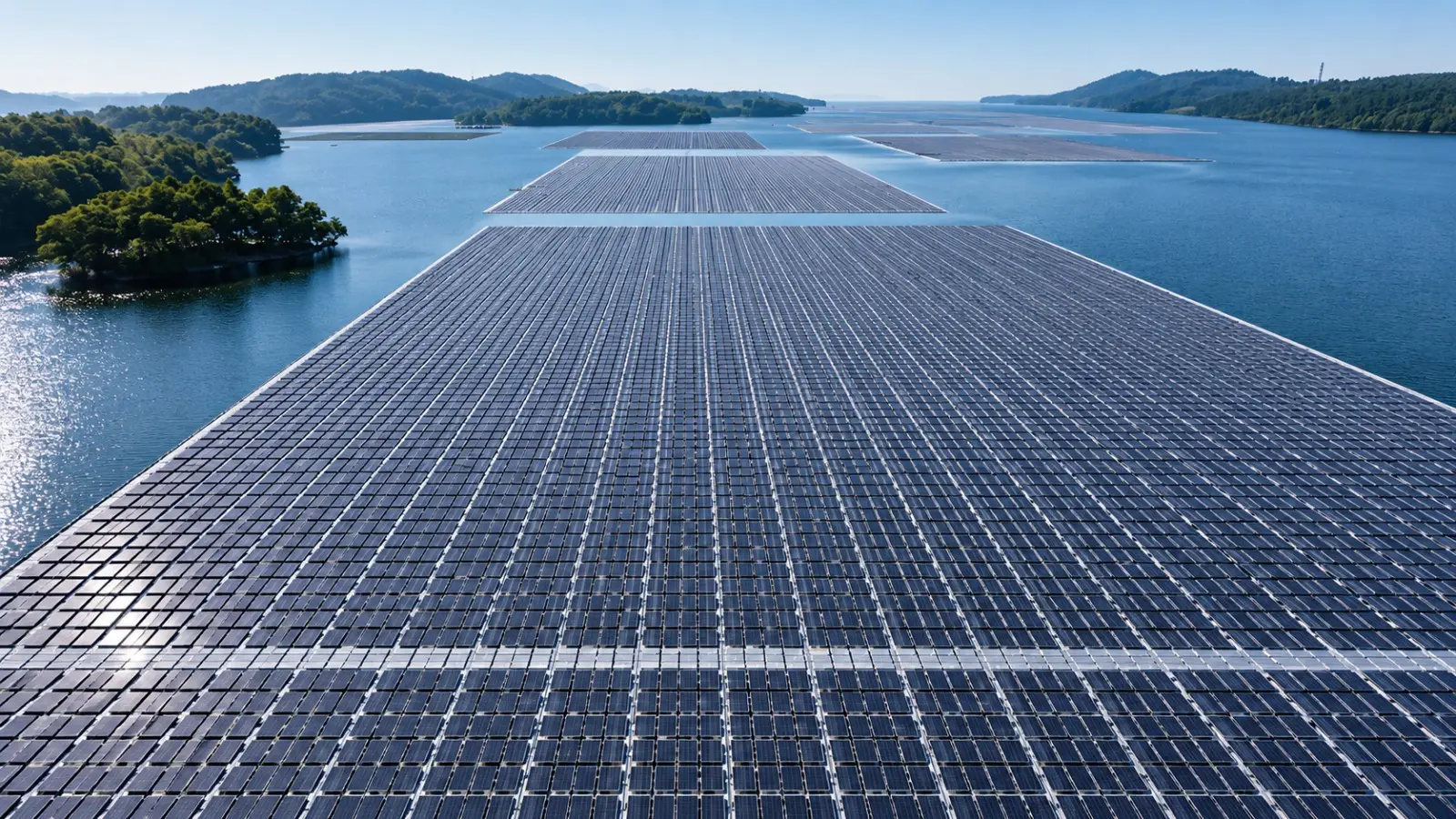
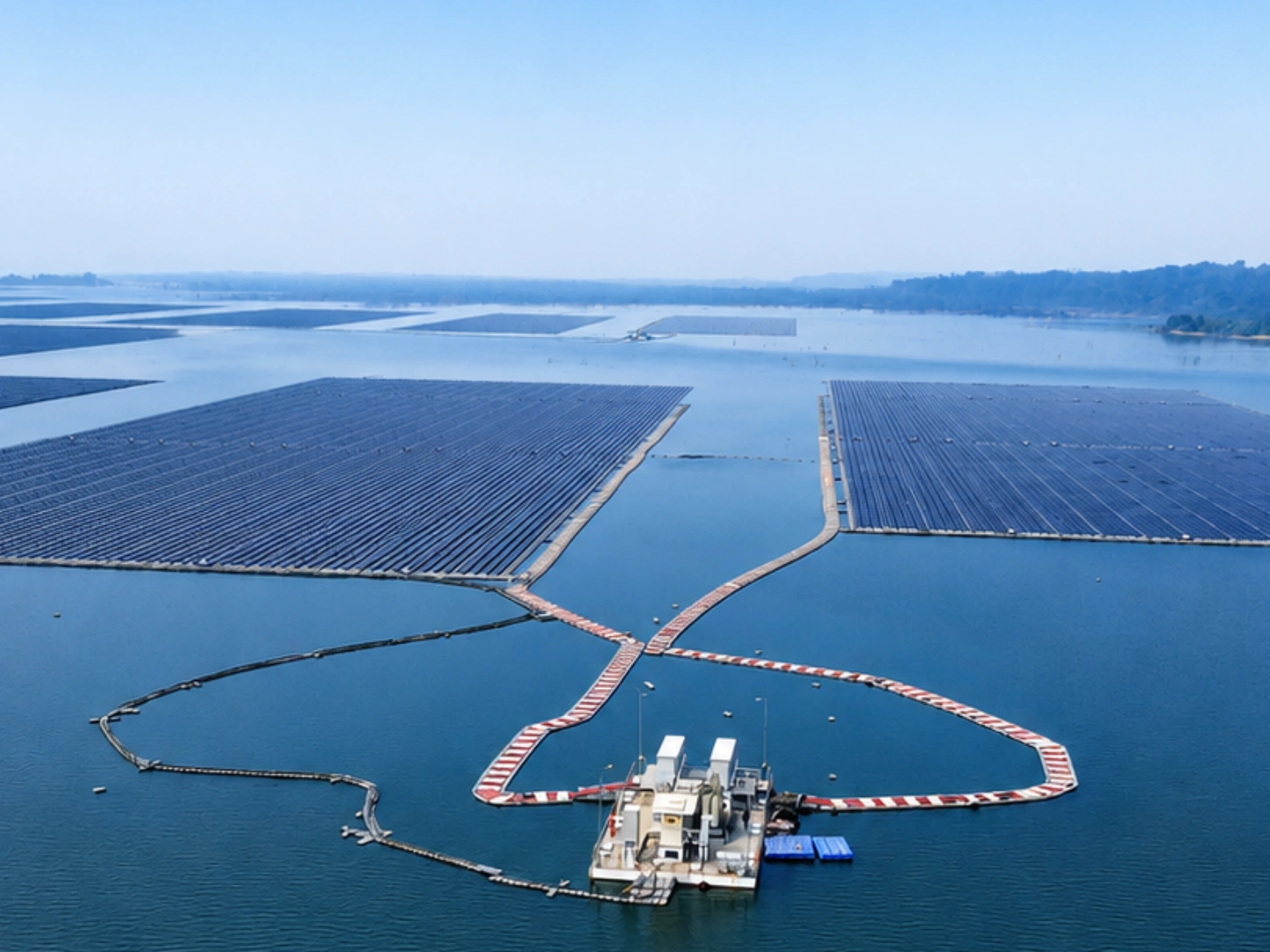
No country can go it alone. The energy dependency of regions in the area — with certain countries becoming exporters of hydropower, and others being importers of renewable energy — is an indication of how intertwined the energy ecosystems of the continent have become. Solar facilities on lakes, dams and reservoirs are also aiding in optimizing space use and minimizing evaporation, and new types of infrastructure, such as floating pontoons, are enabling the ability to increase solar power without interfering with existing productive agricultural or urban areas.
The Strength of Cooperation: Regional Structures and Alliances
In Asia, energy cooperation is not merely a dream, but a reality. A good example is the ASEAN Power Grid (APG) project, which envisions a fully integrated grid that will facilitate the trading of electricity across borders among the member countries. This model helps countries to distribute renewable energy surplus and evenly balance demand spikes.
Outside of ASEAN, India is forging alliances with Southeast Asian nations through the India-ASEAN Renewable Energy Cooperation Framework, which is concentrated on joint R&D, investment, and technological exchange. The Asian Development Bank (ADB) and Asian Infrastructure Investment Bank (AIIB) are also catalysts in funding transnational clean-energy projects.
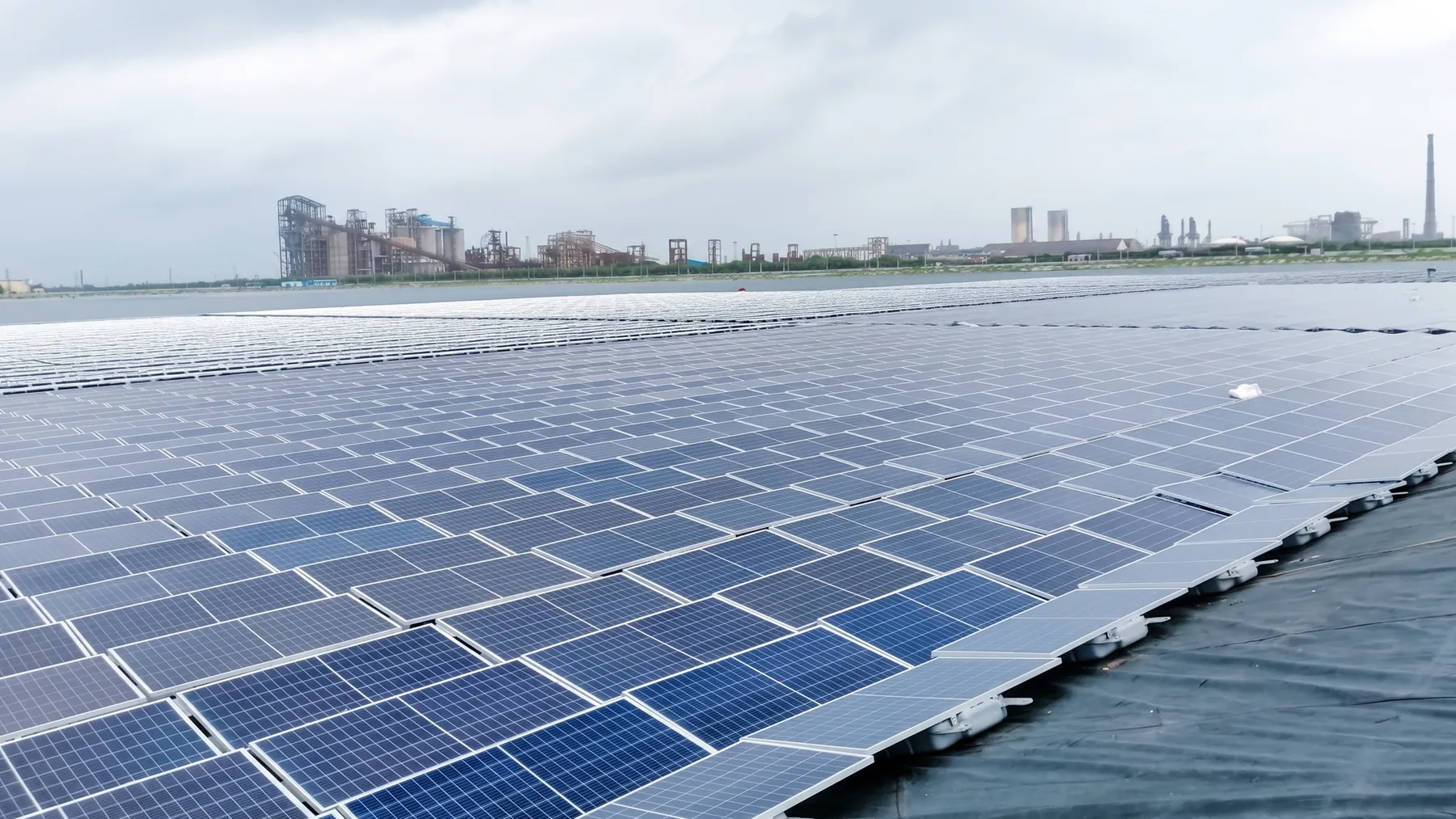
These partnerships do not only consider the traditional renewables. The growth of floating solar systems, which are anchored by sophisticated mooring and long-lasting floating pontoons, is becoming a regional success story. Joint research, shared design models, and joint funding enable various countries to replicate effective solutions, which can speed up implementation and reduce expenditure. This collaborative model turns national sustainability goals into regional ones.
Thinking Big: Technology as a Bridge
The central point of this collaborative change is technology. In a globalized Asia, innovation is the common language that connects various energy systems.
Technology Cooperation Between Nations
- The digital energy systems in Singapore are being connected to the renewable infrastructure in Malaysia by integrating smart grids.
- Floating solar projects in Malaysia are currently being studied across ASEAN as scalable, renewable, water-based models.
- In India and Thailand, hybrid energy hubs are being developed to integrate solar, wind, and hydro to increase efficiency and stability.
- Systems based on AI and forecasting assist in balancing renewable output across borders in real time.
These technologies not only render energy export and import possible, but also sustainable. Cloud-based monitoring tools enable regulators and utilities to organize cross-border power flows. Even blockchain is being investigated to facilitate transparent energy trading. The innovation curve, in other words, no longer ends at national boundaries.
Furthermore, floating pontoons — initially regarded as a simple support structure — are becoming highly engineered elements. Constructed using UV-resistant high-density polymers, they have since added sensor systems, the ability to be scaled into modules, and enhanced anchoring capabilities, allowing floating solar arrays to work effectively even in the most demanding sea or reservoir environments.
Economics of Shared Sustainability
International energy cooperation is not just a question of idealism — it is a question of sound economics. Through the sharing of infrastructure, investment, and experience, Asian economies can save dramatically on the cost of projects and enhance their energy reliability.
The Principal Economic Benefits of Regional Energy Cooperation
- Mutual investment, lessened risk: Countries invest jointly, which decreases the financial risk borne by each member.
- Resource optimization: The resources available in one country balance the consumption of another, resulting in regional stability.
- Cross-border job opportunities: Common projects encourage domestic manufacturing, supply chains, and after-sales services.
- Stable, predictable energy prices: Regional diversification averts fossil fuel market volatility.
A good example of this type of cooperative financing is the Clean Energy Financing Partnership Facility of the ADB. It promotes the affordability of energy over the long term by co-financing large-scale renewable projects, such as hybrid hydro-solar systems and floating ones. As renewable energy increases in scale, unit costs reduce, and countries engaging in such ventures gain the collective benefits of the economy.
Why It Matters
A floating solar array built on modular pontoons not only minimizes the costly land acquisition process, but also makes use of available reservoirs and produces clean electricity near demand centers — a win-win on both budgets and sustainability goals.
The Road Ahead
The decade to come will determine the role of Asia in the overall renewable revolution. With interconnected energy corridors being established across the region, innovation will become the source of change.
Firms such as Floatex Solar represent this spirit, having developed modular and adaptive solutions that can succeed in any geographic location. Their high-tech floating pontoon systems serve as an example of how technology can make countries self-sufficient in energy production without affecting land areas or the natural balance.
This may be what the future of energy looks like: Laos hydropower powering cities in Vietnam, Malaysian floating solar charging regional power systems, and offshore wind farms off Japan balancing supply surges. Each nation helps, and each country gains.
This interdependence not only makes the system efficient, but also makes it a matter of shared responsibility. In the case of cross-border innovation, innovation becomes shared — and sustainability becomes large-scale.